
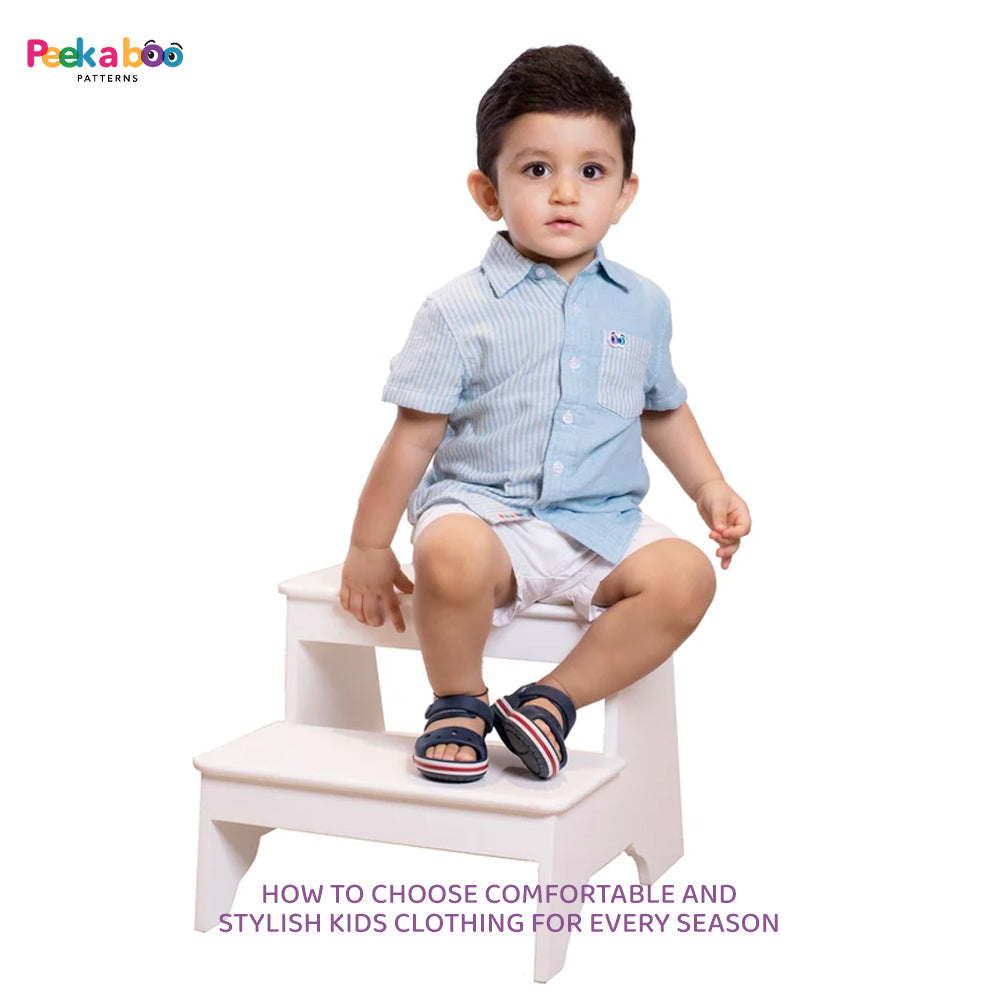
How to Choose Comfortable and Stylish Kids Clothing for Every Season
Kids outgrow clothes at a pace that still catches most parents off guard. A shirt that fit perfectly two months ago is suddenly too short in the sleeves. A pair of shorts that survived one birthday party comes home from the next one with a grass stain that never fully washes out. And somewhere in between, you're standing in front of a cupboard full of clothes, wondering why half of them never get worn.
The truth is, dressing a child isn't really about picking something that looks nice on a hanger. You're thinking about the weather that day, whether the fabric will survive a wash cycle (or five), whether the fit will let your child actually run around at the park, and whether they'll even agree to wear it without a small negotiation first. Shopping for kids clothing online India parents rely on today has to account for all of this, not just the picture on the screen.
This guide walks through what actually matters when you're choosing clothes for your child — season by season, fabric by fabric — so you can shop with a bit more confidence and a lot less guesswork.
What Should Parents Look for in Children's Clothing?
A few things matter more than how an outfit looks in a product photo.
Fabric is where comfort usually starts. Soft, breathable fabrics tend to feel better against a child's skin, especially in warm weather, since they allow air to move instead of trapping heat. This is one reason cotton clothes for kids show up so often in recommendations — cotton breathes well and softens further with each wash. That said, it's worth being careful here: breathable fabric doesn't automatically prevent rashes or allergies, it simply tends to feel more comfortable in most everyday conditions.
Fit matters just as much as fabric. Clothes that are too tight restrict movement — and if there's one constant about kids, it's that they move constantly. Clothes that are too loose can be just as much of a problem, especially with drawstrings, long hemlines, or baggy sleeves that get in the way during play. A lot of parents size up deliberately, hoping the outfit will "last longer," but an oversized top or trouser can genuinely make it harder for a young child to run, climb, or even sit comfortably at a desk.
Construction details are easy to overlook but worth a quick check — seams that sit flat against the skin, buttons that are secure but not tricky enough to fight with every morning, elastic waistbands that are gentle rather than tight, and embellishments that don't scratch or dangle where little hands can pull at them.
Easy care is a practical, non-negotiable requirement. Clothes need to survive frequent washing, not just once but repeatedly, without falling apart at the seams or fading into a dull version of themselves. Checking the fabric care label and whether the fabric has been pre-washed can save you from a lot of frustration a few weeks in.
And finally, style still has a place. A child's clothing doesn't need to be plain just because it needs to be practical — colours, prints, and small design details can make an outfit something your child is actually excited to put on.
How to Choose Kids Clothing for Every Season in India
India's weather doesn't behave the same way everywhere. A cotton kurta that works fine in Chennai in December might feel too light in Shimla, and a jacket sensible in Delhi's winter mornings would be overkill in Bengaluru. Seasonal dressing for kids has to be adjusted depending on where you live.
Summer – Keep It Light and Breathable
Summer is where fabric choice matters most. Lightweight cotton clothes for kids — relaxed tops, breathable dresses, simple shirts — hold up far better through hot, sticky afternoons than anything heavy or tightly woven. Loose-fitting shorts and sleeveless options work well for younger children, particularly during outdoor play or a summer holiday visit to family.
Tight clothing and heavy layers tend to trap heat rather than protect against it, which is exactly the opposite of what you want on a warm afternoon. If you're browsing kids tops or kids dresses for the season, a soft cotton weave in a relaxed cut is usually a safer bet than something structured or fitted.
Monsoon – Practical Clothing for Active Kids
Monsoon dressing is really about practicality more than appearance. Kids don't stop jumping into puddles just because it's raining, so clothes need to dry reasonably fast and wash easily without much fuss. This is not the season for delicate fabrics or anything with fussy embellishments that need special handling — save those for a drier day.
Keeping a spare set of clothes handy, especially while travelling or heading out for the day, makes the inevitable puddle incident far less stressful. Footwear matters here too — something with a decent grip goes a long way toward preventing a slip on a wet floor.
Winter – Layer Instead of Overloading
Winter dressing works best with a simple layering logic: a cotton base layer, then a shirt or top — a checked cotton shirt works well here — and a sweater or light jacket on top if needed. This approach is usually more practical than reaching for one heavy garment, since layers can be added or removed as the day warms up — useful for school mornings that start cold but end up considerably warmer by noon.
Cotton base layers keep things comfortable against the skin, while a lightweight jacket adds warmth without restricting movement. For nightwear during winter, a slightly warmer night suit works better than the lighter versions used through the rest of the year.
Spring and Transitional Weather
The weeks between seasons can be the trickiest to dress for — warm mornings, cooler evenings, and everything shifting within the same day. Lightweight layers work best here: a cotton top with a light jacket that can come off easily once the day warms up. Nothing needs to be complicated during this stretch — just easy to add and remove as needed.
The Best Fabrics for Kids' Clothing
Cotton remains the most common choice for children's everyday clothing, and for good reason. It's breathable, generally comfortable across most of the year, and tends to soften with repeated washing rather than wearing out quickly.
Linen and linen blends offer their own kind of breathability, with a slightly more textured, relaxed feel. They tend to work well for warmer days and can add a bit of visual texture to an otherwise simple outfit — a piece like the Girls Jujubes Pink Linen Top is a good example of this.
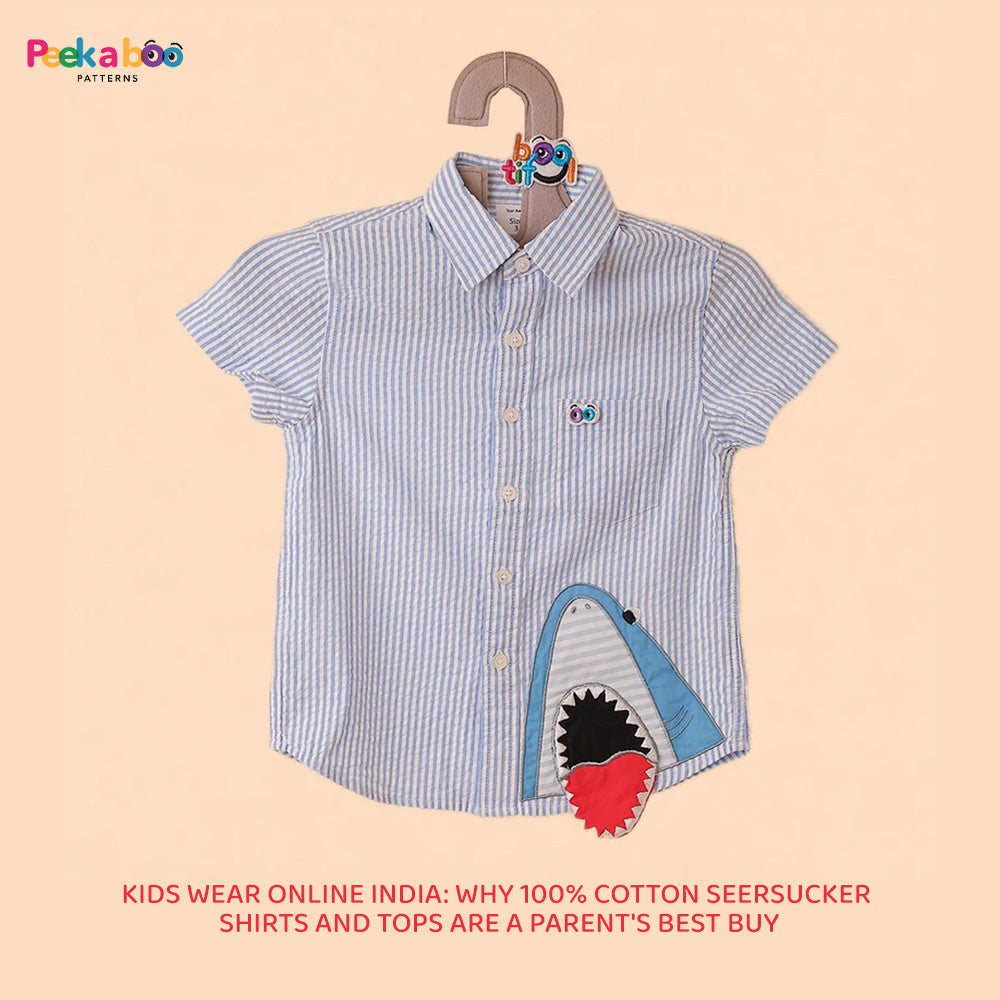
Seersucker is a fabric worth knowing about if you haven't come across it before — it has a naturally puckered, slightly textured weave that keeps the fabric from sitting flat against the skin, which helps with airflow in warmer weather. Peekaboo Patterns currently carries several seersucker pieces across kids shirts and tops, including a striped seersucker shirt, and it's a fabric that tends to work particularly well through the hotter months.
Beyond these, there's no real need to turn fabric shopping into a technical exercise — cotton, linen, and seersucker cover most of what a child's everyday wardrobe actually needs.
Comfortable Doesn't Have to Mean Boring
There's a common assumption that practical clothing has to look plain, and that's simply not true. Colour, prints, stripes, checks, and playful motifs can all sit comfortably within clothing that's genuinely built for movement and everyday wear.
Kids fashion trends shift quickly — what's popular one season often looks dated by the next — so it rarely makes sense to chase every trend that shows up. An outfit your child actually enjoys wearing, one that they reach for without a fuss, is worth far more than a trendy piece that ends up sitting unworn at the back of a drawer. Kids also tend to have surprisingly strong opinions about colours and prints, and letting them weigh in on a purchase can make the whole business of getting dressed each morning noticeably smoother.
Everyday Kids Clothing Essentials Every Parent Can Use
There's no single formula that works for every household, but a reasonable starting point looks something like this:
4 to 5 comfortable everyday tops, 2 to 3 casual shirts, 2 to 3 dresses for girls if that's part of the wardrobe, 2 to 3 comfortable bottoms, 1 to 2 versatile jumpsuits (something like the Girls Jujubes Multi Color Jumpsuit works well for quick, no-fuss dressing), 2 to 3 sleepwear sets, a few seasonal layers depending on where you live, and 1 to 2 outfits set aside for special occasions.
How much you actually need depends on your child's age, school routine, how often you're able to do laundry, the local climate, and how active your child's day tends to be. A toddler who changes clothes twice a day because of spills needs a different rotation than a school-going child in a uniform five days a week. If you're filling gaps in this list, categories like kids tops, kids dresses, kids shirts, and jumpsuits are a reasonable place to start, alongside a couple of kids night suits for sleepwear.
How to Choose the Right Size When Shopping for Kids Clothing Online
Age labels on clothing are a rough guide at best. Two children of the same age can have noticeably different heights, builds, and proportions, which is exactly why relying on age alone often leads to a size that doesn't quite work.
It helps to actually measure your child — height, chest, and waist where relevant — and compare those numbers against the brand's specific size chart rather than assuming sizes are standard across brands. It's also worth thinking about how a particular garment is designed to fit; a relaxed-cut top might run larger than a fitted shirt in the same labelled size. Sizing up "just to be safe" isn't always the right call either — too much extra room can make a garment harder for a young child to move in. Peekaboo Patterns lists size information at the product level for exactly this reason, so it's worth checking before adding something to your cart.
How to Shop for Kids Clothing Online in India Without Overbuying
A few habits make online shopping for children's clothing noticeably less hit-or-miss.
Start by checking the fabric listed for the product, not just the photo. Read the size chart properly instead of guessing based on age. Look at the care instructions before buying anything delicate-looking — a beautiful outfit that can't survive a normal wash cycle isn't practical for daily use. Check the garment's actual measurements where they're available, rather than relying on the model photo alone. Think honestly about how often your child will realistically wear the piece, especially for occasion wear that only comes out a few times a year. Consider whether the new piece works with clothes you already own, so it doesn't end up as an odd one out in the wardrobe. Factor in the season it's meant for, since a beautiful winter piece bought in April will just sit in a drawer for months. And finally, read the return or exchange policy before ordering, particularly for sizing-sensitive pieces you haven't tried in person.
7 Easy Outfit Ideas for Kids
Summer Playdate: A cotton top with comfortable shorts. This combination keeps things breathable for outdoor play while being loose enough for running around without restriction.
Family Lunch: A printed dress, such as the Girls Moss Rustic Dress, paired with simple accessories. It's dressy enough for a family gathering but still comfortable enough for a child to sit through a long lunch without fidgeting in discomfort.
Casual Birthday Party: A cotton shirt paired with trousers or shorts. This works because it looks a little more put-together than everyday wear, while still allowing for the running, jumping, and general chaos that birthday parties tend to involve.
Monsoon Day Out: An easy-to-wash top with comfortable bottoms and a light outer layer. Quick-drying, low-fuss pieces mean a sudden downpour or an unplanned puddle doesn't turn into a bigger problem later at home.
Winter Family Gathering: A cotton base layer topped with a shirt or top and a warm layer over it. Layering here means your child can shed the outer layer if an indoor gathering gets warm, without needing a full outfit change.
Travel Day: A soft top with comfortable bottoms and a lightweight layer. Long car rides or flights call for clothing your child can nap in, sit in, and fidget in for hours without it becoming uncomfortable.
Festive Occasion: An ethnic outfit or dress paired with comfortable footwear and simple accessories. Festive wear can still prioritise comfort — an outfit that looks lovely in photos but restricts sitting cross-legged on the floor won't get worn twice without complaint.
Common Mistakes Parents Make When Buying Children's Clothing
A few patterns show up again and again. Buying purely based on how an outfit looks, without checking the fabric, often ends in something scratchy or too warm for daily wear. Ignoring the fabric altogether is a related mistake — a lovely print means little if the material feels uncomfortable against the skin.
Choosing the wrong size, usually by relying on age labels instead of actual measurements, is one of the most common and easily avoidable errors. Buying too many occasion outfits that only get worn once or twice a year, while everyday basics run short, is another. Uncomfortable embellishments — sequins, stiff appliqués, scratchy tags — can turn an otherwise nice piece into something a child refuses to wear.
Ignoring washing instructions leads to fading and shrinking sooner than expected. Buying clothes that are too restrictive for a child's natural movement defeats the purpose of everyday wear. Chasing trend-driven pieces instead of versatile basics often means a wardrobe full of clothes that don't work well together. Forgetting to factor in the child's own preferences can lead to outfits that sit unworn despite fitting perfectly. And buying clothing unsuitable for the local climate — heavy layers for a warm city, or overly light pieces for a genuinely cold one — is a mismatch worth avoiding from the start.
How to Balance Comfort and Style in Kids' Clothing
It really comes down to a simple order of priorities: comfort comes first, and style makes the outfit fun. Neither one has to cancel out the other.
A useful way to think about it: the right fabric, the right fit, the right choice for the season, and a design your child actually likes together make for better everyday clothing. Brands like Peekaboo Patterns, which build their clothing range around playful prints and practical, everyday wear, are one example of how this balance can work in practice — comfort as the foundation, with style layered on top rather than the other way around.
Final Thoughts
Parents don't need an overflowing wardrobe for their kids. What actually helps is clothing that can keep up with how children really live — running, spilling, napping mid-afternoon, and occasionally jumping straight into a puddle without a second thought.
Whether you're browsing kids clothing online India has to offer or picking things up in person, the same basics apply: check the fabric, get the fit right, and choose something for the season your child is actually living through right now. The best piece in your child's cupboard is rarely the fanciest one — it's the one they put on without a fight, move around freely in, and that you don't have to worry about the moment they sit down for snack time.
FAQs
1. What fabric is best for children's clothing in India?
Cotton is generally the most practical choice across most of India's climate, thanks to its breathability and softness. Linen and linen blends work well in warmer months, while seersucker's textured weave helps with airflow during hot, humid weather. The right fabric ultimately depends on your local climate and the season.
2. How do I choose the right size when buying kids clothing online in India?
Measure your child's height, chest, and waist rather than relying only on the age label, then compare these against the brand's specific size chart. Sizes vary between brands, and even children of the same age can have quite different builds, so always check product-level sizing before ordering.
3. What should kids wear in summer?
Lightweight, breathable fabrics like cotton work best — relaxed tops, loose shorts, and breathable dresses. Avoid tight-fitting or heavily layered clothing, since it tends to trap heat rather than help a child stay cool through a warm afternoon.
4. Are cotton clothes good for kids?
Yes, cotton is a popular choice for children's everyday clothing because it's breathable and tends to feel soft, especially with repeated washing. It's not a guarantee against rashes or skin sensitivity, but it's generally considered a comfortable, practical option for daily wear.
5. How can I make children's clothing both comfortable and stylish?
Start with the fabric and fit, since those affect how comfortable the outfit actually feels during play. Once that's sorted, colours, prints, and playful designs can be added without compromising comfort — practical clothing doesn't have to mean plain clothing.
6. How many clothes should a child have for each season?
There's no fixed number, but a workable range is 4–5 tops, 2–3 bottoms, a couple of dresses or jumpsuits, and 2–3 sleepwear sets, adjusted for laundry frequency and how active your child's routine is. Climate and school schedules will shift these numbers up or down.


Leave a comment
This site is protected by hCaptcha and the hCaptcha Privacy Policy and Terms of Service apply.